


Ductwork Installation in Kennesaw, GA

Better Duct Design, Better Airflow
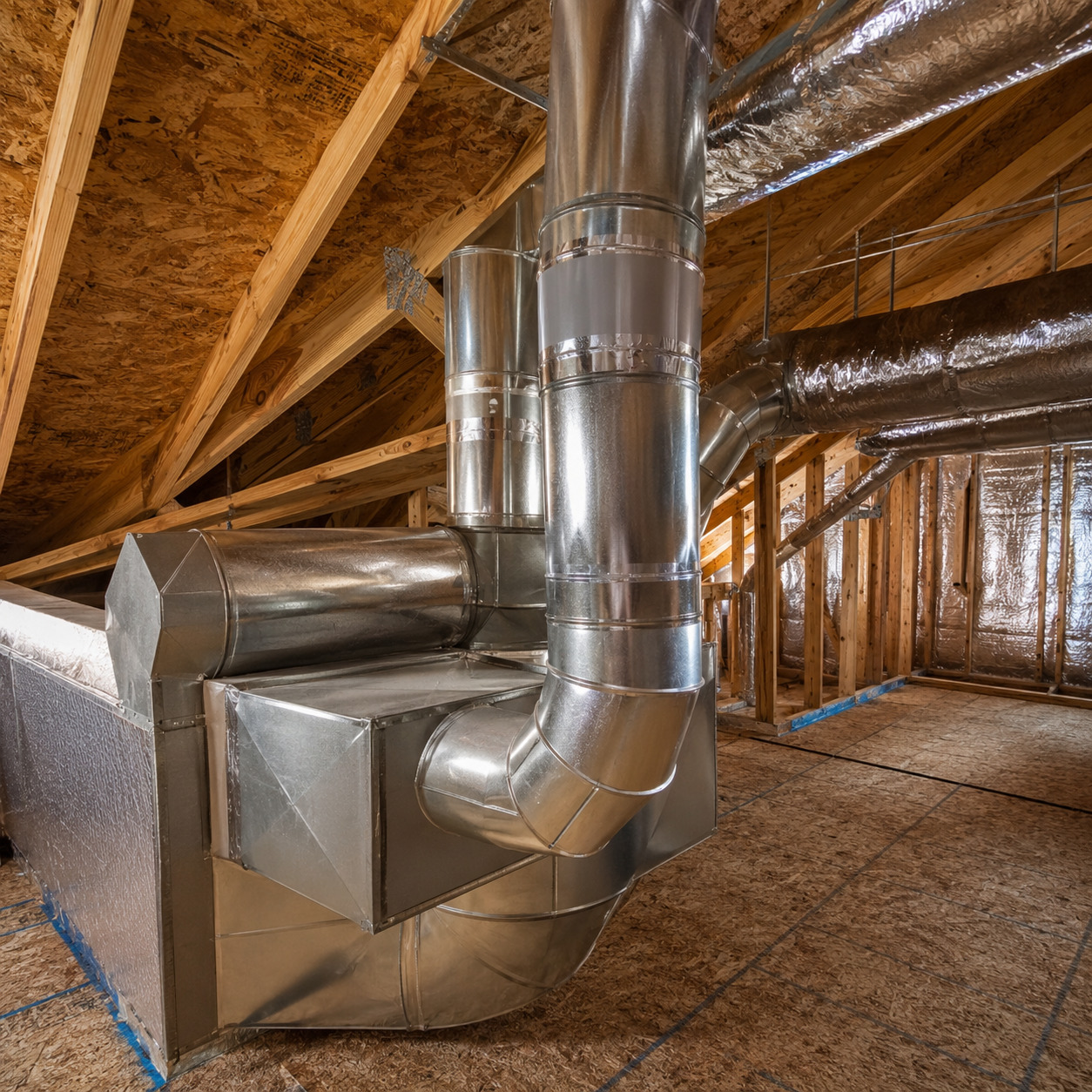
Your ductwork controls how heated and cooled air moves through your home. If the ducts are poorly designed, incorrectly sized, damaged, or not installed properly, your HVAC system may struggle to keep every room comfortable.
Weather Masters of Georgia provides ductwork installation support in Kennesaw, GA for homeowners and businesses that need better airflow, improved comfort, and stronger HVAC performance. Whether you are installing a new HVAC system, upgrading old ductwork, or improving airflow in certain rooms, proper duct planning matters.
- Better airflow throughout the home
- More even heating and cooling
- Reduced hot and cold spots
- Better HVAC system performance
- Less wasted conditioned air
- Improved indoor comfort
- Stronger long-term system efficiency
Schedule An Appointment With Us Today!

Why Proper Ductwork Installation Matters
Your HVAC system depends on ductwork to move air from the equipment to each room. Even if your air conditioner, furnace, or heat pump is working well, poor ductwork can reduce performance.
When ductwork is installed correctly, air can move more smoothly and evenly throughout your home. When it is installed poorly, you may experience weak airflow, uneven temperatures, higher energy use, and extra strain on your HVAC system.
Proper and Good ductwork installation is about more than connecting ducts to the HVAC system. Every section should be installed carefully to reduce air loss and airflow problems.
- Using the correct duct size
- Keeping duct runs as direct as possible
- Avoiding sharp bends and crushed ducts
- Sealing joints and connections properly
- Supporting ducts correctly
- Insulating ducts where needed
- Checking airflow after installation
- Making sure the design supports the HVAC system

Ductwork and Ventilation System Planning
Ductwork also plays an important role in ventilation and indoor air movement. A good duct design helps move conditioned air while supporting proper air circulation in the home.
Poor duct planning can lead to stale air, weak airflow, uneven comfort, and pressure problems. When ductwork is planned with ventilation in mind, it can help your HVAC system move air more effectively and support a healthier indoor environment.
- Supply and return air balance
- Vent location
- Airflow between rooms
- Return duct placement
- Duct size and pathway
- System capacity
- Indoor air quality needs
Signs Your Home May Need New Ductwork
Some homes need more than simple duct repair. If your ductwork is old, damaged, poorly designed, or no longer matches your HVAC system, new ductwork may be the better option.
- Some rooms never feel comfortable
- Airflow is weak from several vents
- Ducts are visibly damaged or disconnected
- Energy bills keep increasing
- The HVAC system runs longer than normal
- The home has old or poorly designed ducts
- You are upgrading your HVAC system
- You are adding new living space
A professional inspection can help determine whether repair, retrofit, or new ductwork installation is the right choice.
Key Factors in Ductwork Installation
Ductwork installation should be planned carefully before the work begins. The right layout, size, material, and placement can make a big difference in system performance.
Ductwork Size
Ducts must be sized correctly for the HVAC system and the rooms they serve. Undersized ducts can restrict airflow, while oversized ducts may reduce air pressure and comfort.
Duct Layout
A good layout helps air move efficiently from the HVAC system to different areas of the home. Poor layout can create long runs, airflow loss, and uneven room temperatures.
Varying Airflow Needs
Each room has different heating and cooling needs. Bedrooms, living rooms, upstairs areas, and sun-facing spaces may require different airflow planning.
System Compatibility
The ductwork should match the size and performance needs of the furnace, air conditioner, or heat pump connected to it.
Home Design
Ceiling height, room layout, insulation, attic space, crawl space, and wall design can all affect how ductwork should be installed.
Retrofitting Ductwork During HVAC Upgrades
If you are upgrading your HVAC system, it may also be a good time to inspect or improve your ductwork. Older ducts may not match the airflow needs of newer heating and cooling equipment.
- You are replacing an old HVAC system
- Your home has uneven room temperatures
- Your ductwork is old or damaged
- Your new system needs better airflow
- You are finishing a basement or adding a room
- Your current ducts are leaking or poorly designed
- Some areas of your home are hard to heat or cool
Updating ductwork during an HVAC upgrade can help the new system perform better from the start.
Ductwork Sizing and Layout
Ductwork sizing and layout are two of the most important parts of a successful installation. If the ducts are not sized or placed correctly, your HVAC system may not move air properly.
Proper ductwork installation helps your HVAC system deliver the comfort it was designed to provide.
- Stronger airflow from vents
- Better comfort in each room
- Less HVAC system strain
- Reduced energy waste
- Fewer airflow restrictions
- Better heating and cooling balance
- Improved system performance
A professional ductwork plan should consider your HVAC system, room sizes, airflow needs, duct path, and available installation space.
Choosing the Right Ductwork Materials
Different ductwork materials may be used depending on the home, HVAC system, budget, and installation area. The goal is to choose materials that support good airflow, durability, and long-term performance.
Sheet Metal Ductwork
Sheet metal ducts are strong, durable, and commonly used in many HVAC systems. They can support good airflow when properly sized and sealed.
Flexible Ductwork
Flexible ducts can be useful in tight spaces or areas where rigid ductwork is difficult to install. They must be installed carefully to avoid bends, restrictions, or airflow loss.
Insulated Ductwork
Insulated ducts can help reduce temperature loss, especially in attics, crawl spaces, or areas that are not conditioned.
Duct Sealing Materials
Proper sealing helps prevent air leaks around joints, seams, and connections. This is important for comfort and efficiency.
Building Code and Safety Considerations
Ductwork installation should follow proper building practices and local requirements. Poor installation can affect safety, efficiency, airflow, and long-term system performance.
Professional ductwork installation helps make sure the system is installed correctly, supported properly, sealed where needed, and connected safely to the HVAC equipment.
A professional can also identify issues related to airflow, access, insulation, clearances, and system design before they become bigger problems.
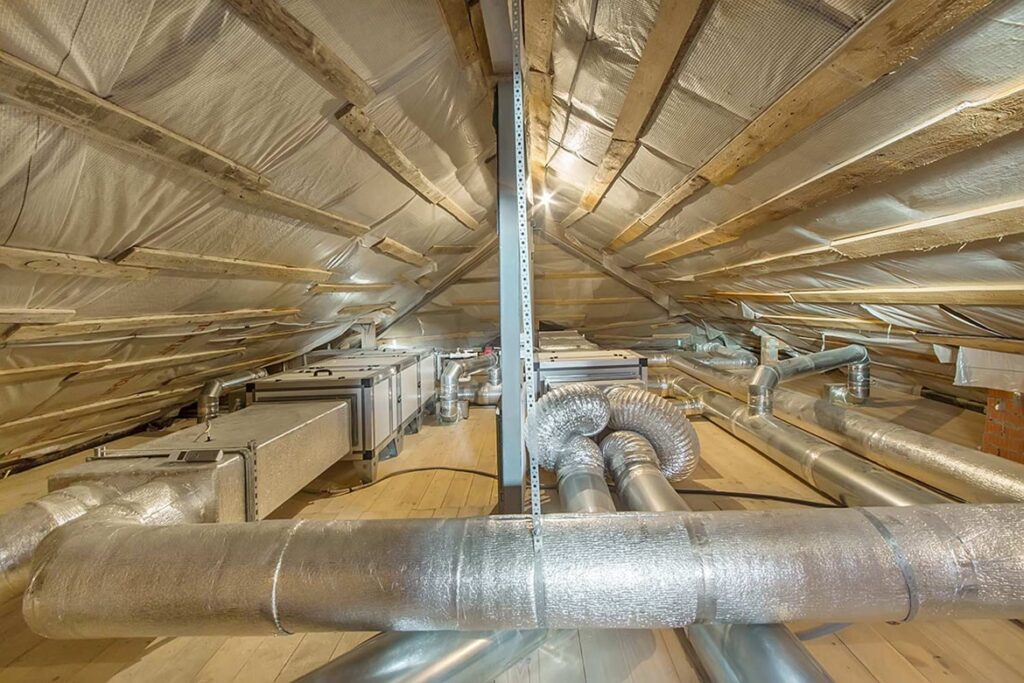
Common Ductwork Installation Mistakes to Avoid
Small installation mistakes can create long-term comfort and performance problems.
- Do not install ducts that are too small or too large for the system.
- Do not ignore airflow needs in individual rooms.
- Do not allow flexible ducts to bend, sag, or become crushed.
- Do not leave duct joints or seams unsealed.
- Do not install ducts without proper support.
- Do not forget insulation in hot or unconditioned areas.
- Do not assume old ductwork will work well with a new HVAC system.
- Do not skip airflow testing after installation.
Avoiding these mistakes helps your ductwork perform better and reduces the chance of future comfort issues.
Schedule Ductwork Installation With Weather Masters of Georgia
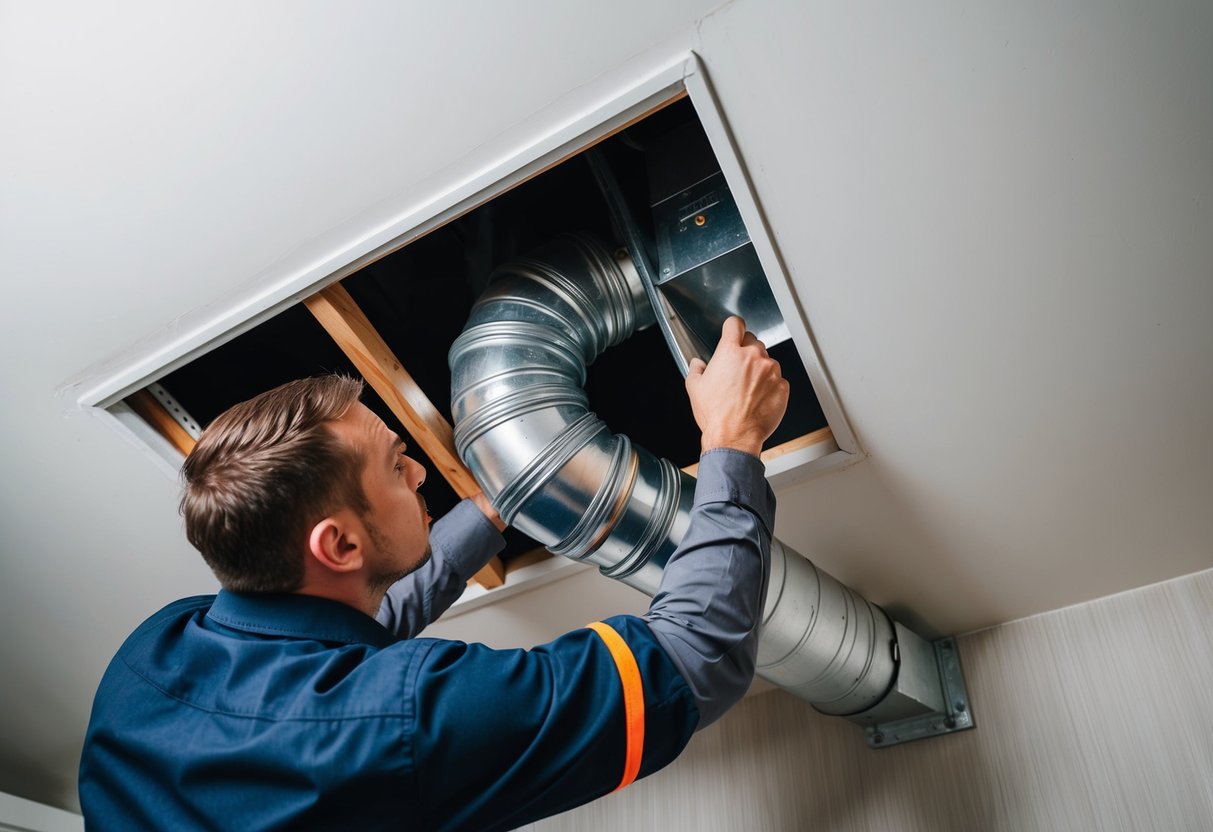
Weather Masters of Georgia helps homeowners and businesses in Kennesaw improve comfort, airflow, and HVAC performance with professional ductwork support.
If your home has weak airflow, uneven temperatures, old ductwork, or you are upgrading your HVAC system, our team can inspect your duct system and recommend the right solution.
Contact Weather Masters of Georgia today to schedule ductwork installation support in Kennesaw, GA.