


Unusual noises coming from your HVAC system are never something to ignore. At Weather Masters of Georgia, we often find that strange sounds are early warning signs of mechanical issues that require professional HVAC repair. Identifying these noises early can help prevent system breakdowns, reduce repair costs, and protect long-term performance.
This guide explains the most common HVAC noises, what they usually mean, and when it’s time to call for expert repair.
Why HVAC Systems Make Noise
While some operational sounds are normal, new, loud, or persistent noises typically indicate worn parts, loose components, or airflow problems. HVAC systems rely on moving parts, electrical components, and refrigerant flow when something is not functioning correctly, noise is often the first symptom.
Common HVAC Noises and What They Indicated
Understanding the type of noise can help identify the underlying issue.
Banging or Clanking Sounds
Banging noises often point to loose or broken components inside the system, such as a disconnected blower wheel or damaged motor parts. In some cases, ductwork expansion or shifting can also cause loud clanking sounds.
Rattling Noises
Rattling usually indicates loose panels, fasteners, or debris inside the unit. If left unaddressed, minor rattling can lead to more serious internal damage over time.
Buzzing or Humming
Buzzing sounds may signal electrical issues, failing capacitors, loose wiring, or problems with the condenser unit. These issues can pose safety risks and should be inspected promptly.
Screeching or Squealing
High-pitched squealing often comes from worn belts, failing motor bearings, or blower issues. These sounds typically worsen over time and can lead to complete component failure.
Clicking Sounds
Occasional clicking during startup or shutdown is normal. However, continuous clicking may indicate electrical control problems, thermostat issues, or failing relays.
HVAC Noises That Require Immediate Attention
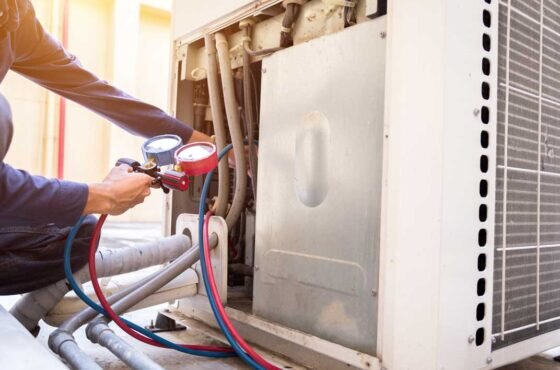
Some noises should be treated as urgent HVAC repair situations.
- Loud banging or grinding noises
- Persistent buzzing or electrical humming
- Screeching that continues during operation
- Sudden changes in system sound
These noises often indicate problems that can damage major components such as the motor or compressor if ignored.
Why Professional HVAC Repair Is Important
Attempting to diagnose or fix HVAC noises without proper training can lead to further damage or safety hazards. HVAC systems involve electrical connections, moving parts, and pressurized components that require professional handling.
During a professional HVAC repair visit, we:
- Inspect internal components and secure loose parts
- Identify worn or failing mechanical components
- Test electrical connections and system operation
- Restore safe, quiet, and efficient performance
This ensures accurate diagnosis and long-term reliability.
How Routine Maintenance Helps Prevent Noisy HVAC Systems
Regular HVAC maintenance significantly reduces the risk of unexpected noises.
We recommend:
- Annual system inspections
- Tightening and securing components
- Lubricating moving parts
- Checking motors, belts, and electrical connections
Preventive maintenance allows us to address small issues before they escalate into costly repairs.
When to Schedule HVAC Repair
If your HVAC system begins making unfamiliar or loud noises, it is best to schedule HVAC repair as soon as possible. Early diagnosis protects your system, improves comfort, and helps avoid emergency breakdowns during peak seasons.
At Weather Masters of Georgia, we provide professional HVAC repair services to quickly identify and resolve system noise issues, restoring quiet and dependable operation.
Need Expert HVAC Repair?
If your HVAC system is making unusual noises or not operating as it should, contact us today to schedule professional HVAC repair and keep your home comfortable and safe.