
Boiler Sizing & Selection in Kennesaw, GA
The Right Boiler Size Makes All the Difference
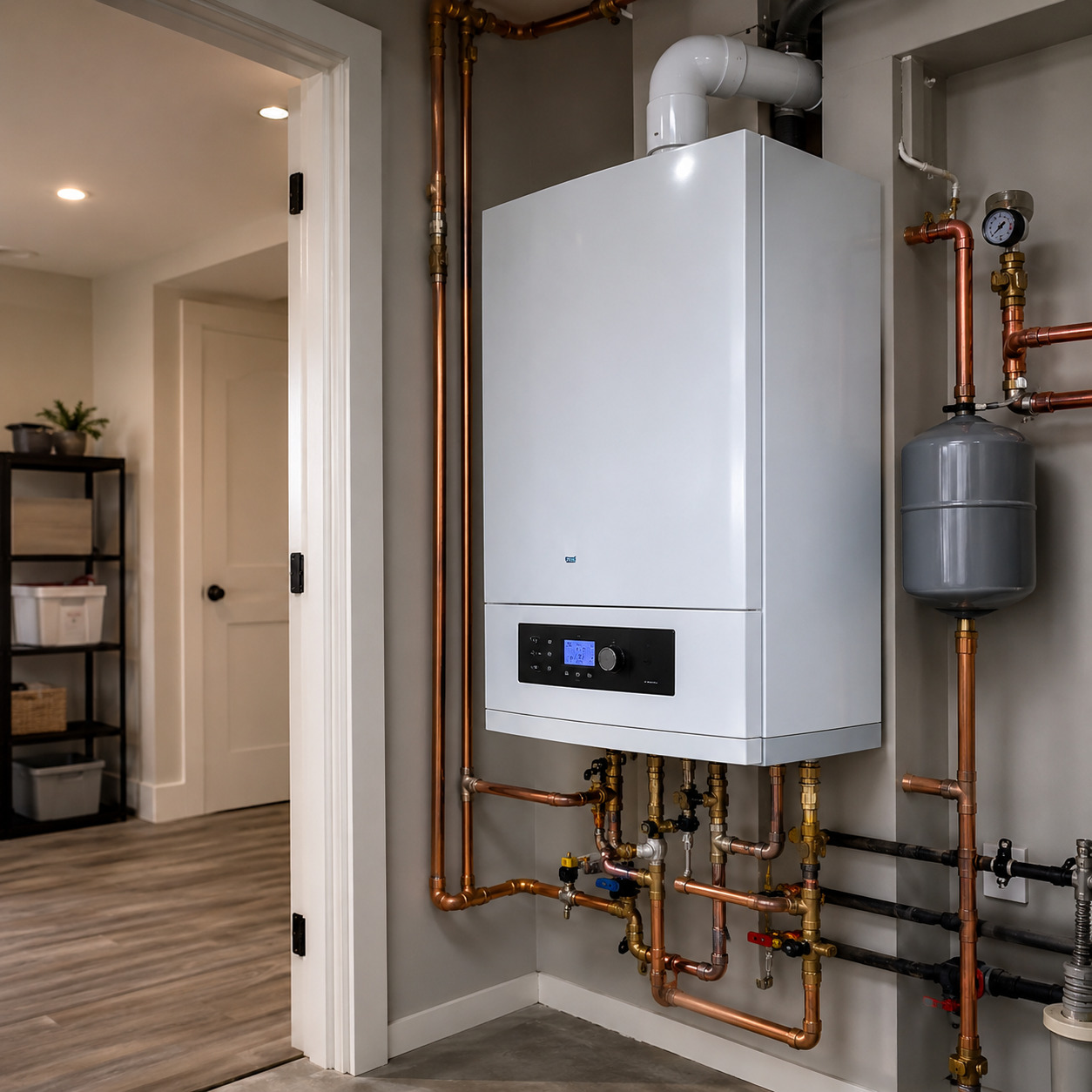
Choosing a boiler is not only about picking a system that fits your budget. The boiler should also match your property size, heating needs, hot-water demand, existing setup, and comfort goals.
Weather Masters of Georgia helps homeowners and businesses compare boiler options and choose the right system for their property. Proper boiler sizing and selection can help improve heating performance, reduce unnecessary energy waste, and support more consistent comfort throughout your home.
- More consistent indoor temperatures
- Reliable heating during colder months
- Better energy efficiency
- Reduced system strain
- Fewer unnecessary heating cycles
- Better hot-water performance
- Stronger long-term reliability
Schedule An Appointment With Us Today!

Why Boiler Sizing Matters
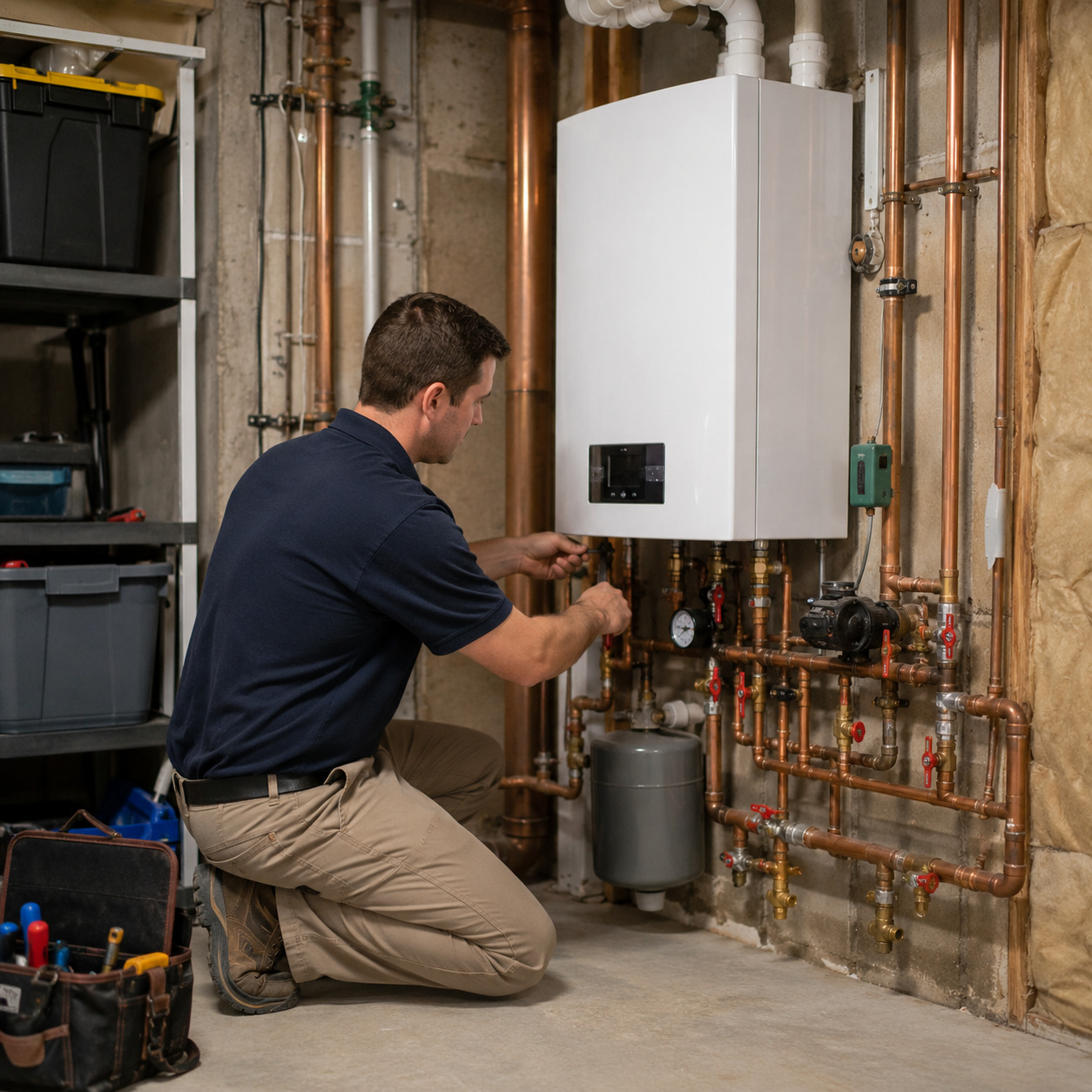
A boiler must have enough capacity to heat your property without working harder than necessary. If the boiler is too small, it may struggle to keep your home warm. If it is too large, it may cycle too frequently and use energy inefficiently.
Proper sizing helps match the boiler to your actual heating needs. This can improve comfort, protect system performance, and reduce avoidable energy waste.
The goal is not to install the largest boiler available. The goal is to choose the right boiler for your property.
Key Factors That Affect Boiler Size
Several factors should be reviewed before selecting a boiler.
Property Size
A larger property may require more heating capacity, but square footage is only one part of the decision.
Home Layout
The number of rooms, floors, heating zones, and connected spaces can affect the amount of heat your boiler needs to provide.
Insulation Levels
A well-insulated home holds heat more effectively. Poor insulation can increase heating demand and place more strain on the boiler.
Windows & Doors
Older windows, drafty doors, and air leaks can allow heat to escape and increase the amount of heating needed.
Heating Zones
Radiators, baseboards, and separate heating zones can affect boiler capacity and system design.
Hot-Water Demand
The number of bathrooms, household size, and everyday hot-water use can influence boiler selection.
Fuel Type
Gas, oil, and electric boiler systems may have different equipment and installation requirements.
Existing Heating System
Your current piping, controls, radiators, and available installation space can affect the most suitable boiler option.
What Happens If Your Boiler Is Too Small?
An undersized boiler may not provide enough heat for your property, especially during colder weather.
- Rooms taking too long to warm up
- Uneven indoor temperatures
- Boiler running for long periods
- Difficulty meeting hot-water demand
- Higher system strain
- Poor comfort during colder months
- Increased wear over time
A smaller boiler may seem like a lower-cost option, but it may not provide the performance your property needs.
What Happens If Your Boiler Is Too Large?
A larger boiler is not always better. An oversized boiler may heat the system too quickly and turn on and off more often than needed.
- Frequent system cycling
- Unnecessary energy waste
- Uneven temperatures
- More wear on components
- Reduced long-term efficiency
- Higher upfront equipment costs
- Shorter system lifespan
Choosing the correct boiler capacity can help reduce these issues.
Choosing the Right Boiler Type
Boiler sizing and boiler selection work together. The best option depends on your property, available fuel source, hot-water needs, and existing heating setup.
Gas Boilers
Gas boilers may be suitable for properties with an available natural-gas connection. The right size depends on heating demand and system design.
Oil Boilers
Oil boilers may be an option for properties without a natural-gas connection. Fuel storage and installation space should be considered.
Electric Boilers
Electric boilers may be suitable where gas or oil systems are not practical. Electricity costs and heating demand should be reviewed carefully.
Combination Boilers
A combination boiler can support heating and hot-water needs within a compact system. It may be suitable for properties with moderate hot-water demand.
Boilers With Hot-Water Storage
Some properties may benefit from a boiler system connected to a hot-water storage tank, especially when multiple bathrooms or higher water demand need to be supported.
How Heat Loss Affects Boiler Sizing
Heat loss happens when warmth escapes through walls, windows, doors, ceilings, and poorly insulated areas. The more heat your property loses, the harder your boiler needs to work to maintain a comfortable temperature.
- Property size and layout
- Insulation levels
- Window and door condition
- Exterior walls
- Ceiling height
- Number of floors
- Local weather conditions
- Existing heating zones
- Piping and radiator setup
A heat-loss calculation helps estimate how much heating capacity your property needs. This makes it easier to choose a boiler that supports comfort without unnecessary energy waste.
Heating and Hot-Water Needs
Boiler selection should account for both space heating and hot-water demand. A system that heats your rooms properly may still struggle if it cannot support your household’s everyday hot-water use.
- How many people live in the property?
- How many bathrooms are used regularly?
- Are multiple showers or taps used at the same time?
- How many heating zones are connected?
- Does the house need heating & hot water using same system?
- Is additional storage needed for peak demand?
Reviewing these details helps identify a boiler setup that supports both comfort and everyday use.
Our Boiler Sizing & Selection Process
A professional boiler recommendation starts with understanding your property and heating requirements.
Property Evaluation
We review the property size, layout, insulation, windows, heating zones, and current boiler setup.
Heating Load Review
We assess the amount of heat the property needs to stay comfortable during colder weather.
Hot-Water Demand Check
We consider bathrooms, household size, daily usage, and peak hot-water demand.
Boiler Type Comparison
We compare suitable boiler types, fuel options, capacity requirements, and efficiency ratings.
Installation Planning
We review piping, controls, venting, available space, and the most suitable location for the new boiler.
Final Recommendation
We explain the options clearly and recommend a boiler that fits your property, comfort goals, and budget.
Boiler Efficiency and Long-Term Performance
A high-efficiency boiler can help reduce unnecessary fuel waste, but efficiency ratings are only part of the decision. The system must also be properly sized, installed, and maintained.
- Correct boiler size
- Quality installation
- Heating controls
- Thermostat settings
- Property insulation
- Piping condition
- Heating-zone design
- Routine maintenance
A well-selected boiler has a better chance of providing reliable heating and consistent comfort over time.
Boiler Capacity Science
Boiler capacity is commonly measured in BTUs per hour, or BTU/h. This indicates how much heat the boiler can produce during operation.
The right boiler capacity depends on the amount of heat your property needs. A larger home does not always need the biggest boiler, especially if it has good insulation, efficient windows, and a well-designed heating system.
A professional evaluation helps determine the right balance between heating capacity, comfort, and efficiency.
Common Boiler Selection Mistakes to Avoid
Choosing the wrong boiler can lead to comfort problems, unnecessary energy use, and avoidable repairs.
- Do not assume the largest boiler will provide better heating.
- Do not choose a boiler based only on the lowest price.
- Do not rely only on square footage when selecting capacity.
- Do not ignore insulation, windows, or heat loss.
- Do not overlook household hot-water demand.
- Do not select a fuel type without checking availability and installation needs.
- Do not assume your old boiler was sized correctly.
- Do not skip a professional heating evaluation.
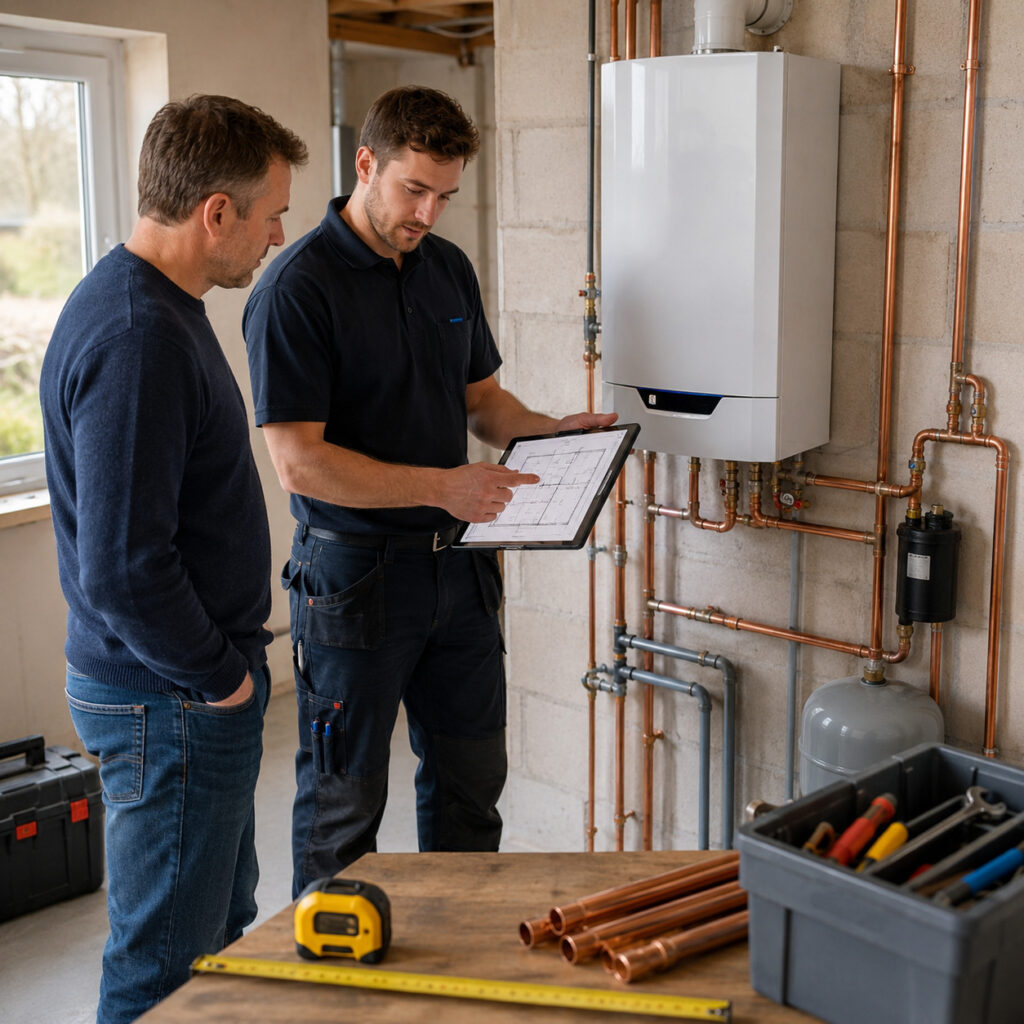
Schedule Boiler Sizing and Selection With Weather Masters of Georgia
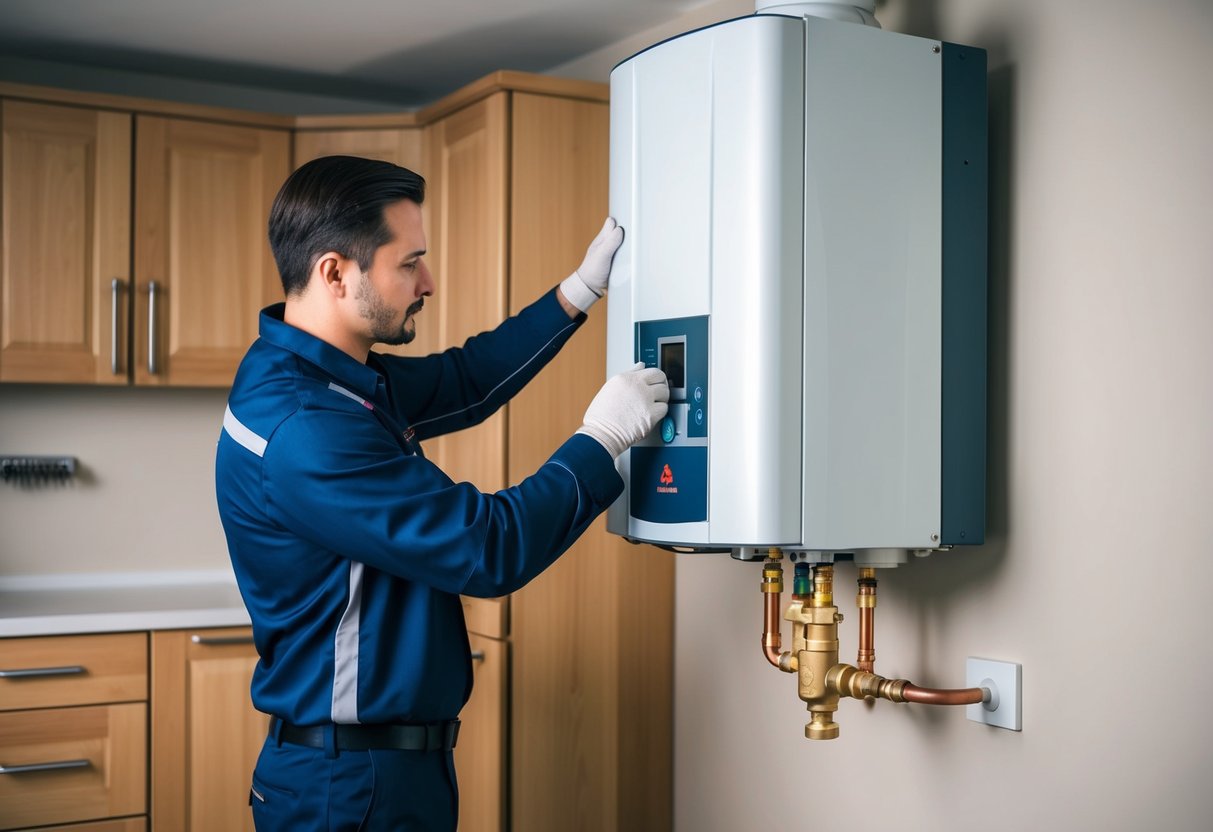
Weather Masters of Georgia helps homeowners and businesses in Kennesaw compare boiler options and select heating systems suited to their property, hot-water demand, comfort needs, and budget.
If you are replacing an older boiler or installing a new heating system, our team can evaluate your property and recommend the right next step.
Contact Weather Masters of Georgia today to schedule boiler sizing and selection support in Kennesaw, GA.