

HVAC Energy Efficiency in Kennesaw, GA
Better HVAC Efficiency, Better Home Comfort
Heat pumps work by moving heat instead of creating it. During colder months, they move heat into the home. During warmer months, they remove heat from the home, similar to an air conditioner.
Because of this process, heat pumps can be more energy-efficient than many traditional heating systems. However, poor installation can reduce those benefits. If the system is not sized correctly, installed properly, or supported by good airflow, it may use more energy than expected.
- Lower energy waste
- Better indoor comfort
- More consistent room temperatures
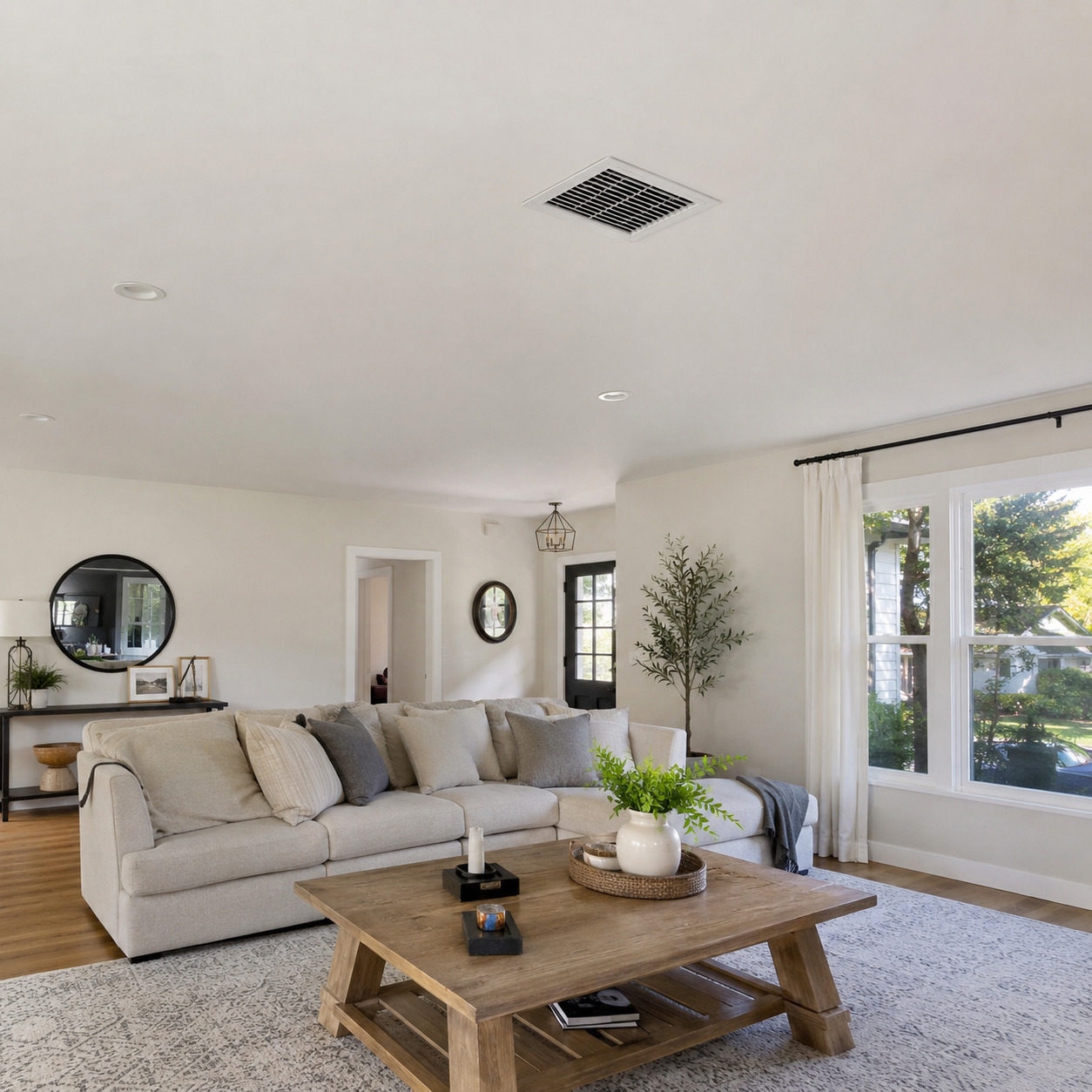
- Improved airflow
- Reduced strain on HVAC equipment
- Fewer unnecessary system cycles
- Better long-term HVAC performance
Schedule An Appointment With Us Today!

Why HVAC Energy Efficiency Matters
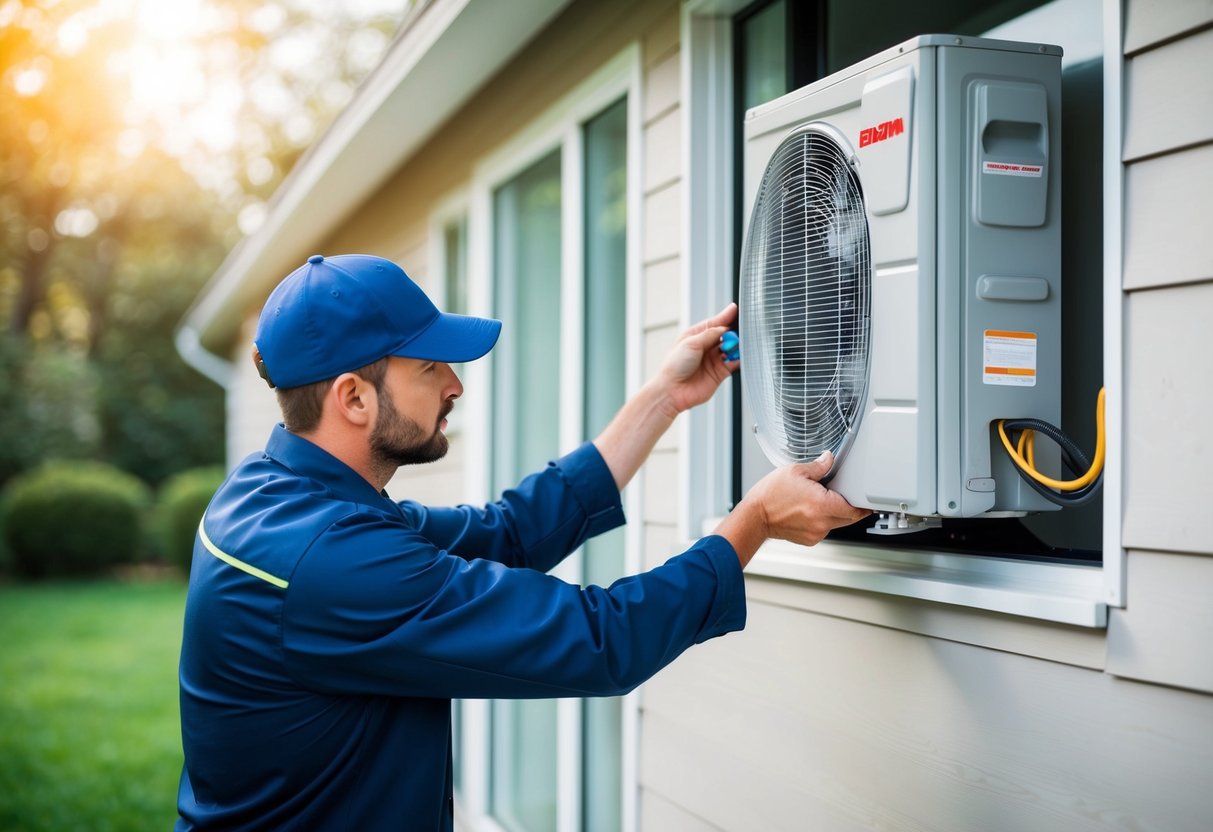
An efficient HVAC system helps keep your home comfortable without running longer or harder than necessary. When your equipment uses energy more effectively, it can provide reliable heating and cooling while reducing avoidable strain on the system.
Poor efficiency may lead to rising energy bills, uneven temperatures, weak airflow, frequent cycling, and more wear on HVAC components. Improving efficiency can help your system work more smoothly and support better comfort throughout the year.
Choose the Right HVAC System Size
Choosing the right HVAC system size is one of the most important steps in improving efficiency. Your equipment should match your home’s actual heating and cooling needs rather than being selected based only on square footage.
- Home size and layout
- Insulation levels
- Number of windows and doors
- Ceiling height
- Sun exposure
- Ductwork condition
- Local weather conditions
- Existing HVAC equipment
A properly sized HVAC system can help reduce short cycling, improve comfort, and support stronger long-term performance.
Improve Efficiency With Regular HVAC Maintenance
Routine maintenance helps keep your HVAC system cleaner and allows technicians to identify small issues before they become larger problems.
- Replacing or cleaning air filters
- Inspecting HVAC components
- Cleaning coils and fans
- Checking thermostat settings
- Looking for airflow problems
- Inspecting ductwork for leaks
- Checking electrical connections
- Reviewing overall system performance
- Identifying signs of wear
A well-maintained HVAC system can run more smoothly and reduce unnecessary energy waste.
Energy-Efficient HVAC System Options
If your current HVAC equipment is aging or inefficient, upgrading the system may help improve home comfort and long-term performance.
High-Efficiency Air Conditioners
Modern air conditioners can provide more efficient cooling when properly sized and installed.
Heat Pumps
Heat pumps provide both heating and cooling in one system.
High-Efficiency Furnaces
Modern furnaces can provide reliable heating while reducing unnecessary fuel waste.
Ductless Mini-Split Systems
Ductless systems can be useful for additions or rooms that are hard to heat or cool.
Geothermal HVAC Systems
Geothermal systems may be an option for homeowners exploring long-term efficiency upgrades.
Energy Efficiency Standards and Incentives
HVAC efficiency standards, available rebates, and tax incentives may change over time. Eligibility can depend on the equipment type, efficiency rating, installation requirements, and current programs.
- Compare efficiency ratings
- Check system compatibility
- Review installation requirements
- Ask about ENERGY STAR-certified options
- Check whether rebates or incentives are available
- Confirm eligibility before making a final decision
A qualified HVAC professional can help you compare system options and understand which upgrades may fit your home and budget.
Simple Ways to Improve HVAC Energy Efficiency
Small changes can help your HVAC system work more efficiently and keep your home more comfortable.
- Replace or clean air filters regularly.
- Schedule routine HVAC maintenance.
- Keep vents open and unblocked.
- Use a programmable or smart thermostat.
- Check thermostat settings seasonally.
- Seal and insulate ductwork where needed.
- Improve home insulation.
- Keep outdoor HVAC units clear of leaves and debris.
- Watch for unusual noises or weak airflow.
- Schedule service if energy bills increase unexpectedly.
Key Factors That Affect HVAC Energy Efficiency
Several parts of your HVAC system and home work together to affect energy efficiency.
HVAC System Size
A system that is too small may run constantly, while an oversized system may cycle too often.
Equipment Condition
Older or poorly maintained HVAC equipment may use more energy than needed.
Ductwork Condition
Leaky, damaged, or poorly insulated ductwork can allow conditioned air to escape.
Home Insulation
Good insulation helps keep heated and cooled air inside your home.
Thermostat Settings
Incorrect thermostat settings can lead to unnecessary heating and cooling.
Air Filters
Dirty filters can restrict airflow and make your HVAC system work harder.
Airflow
Blocked vents, dirty coils, and ductwork issues can reduce overall efficiency.
When Should You Consider an HVAC Upgrade?
Maintenance and home improvements can help, but older HVAC equipment may eventually need replacement.
- Your system needs frequent repairs
- Energy bills continue to increase
- Some rooms never feel comfortable
- Your HVAC equipment is aging
- The system runs longer than usual
- Airflow feels weak
- The system turns on and off too often
- Your equipment no longer fits your home’s needs
A professional HVAC inspection can help determine whether maintenance, repair, or replacement is the right next step.
Use Smart Thermostats and Better Settings
Your thermostat controls when your HVAC system turns on and how long it runs. Small setting changes can make a noticeable difference in comfort and energy use.
- Creating heating and cooling schedules
- Reducing unnecessary use when you are away
- Adjusting temperatures more consistently
- Monitoring energy use
- Controlling settings remotely
- Improving comfort throughout the day
A thermostat cannot solve every HVAC efficiency issue, but it can help your system respond better to your comfort needs.
HVAC Energy Efficiency Ratings
HVAC efficiency ratings can help you compare equipment before installation or replacement. The most relevant rating depends on the type of system you are considering.
1. SEER2
SEER2 helps compare seasonal cooling efficiency for air conditioners and heat pumps.
2. EER2
EER2 measures cooling efficiency under specific operating conditions.
3. HSPF2
HSPF2 is used for heat pumps and relates to seasonal heating efficiency.
4. AFUE
AFUE shows how efficiently a furnace converts fuel into usable heat.
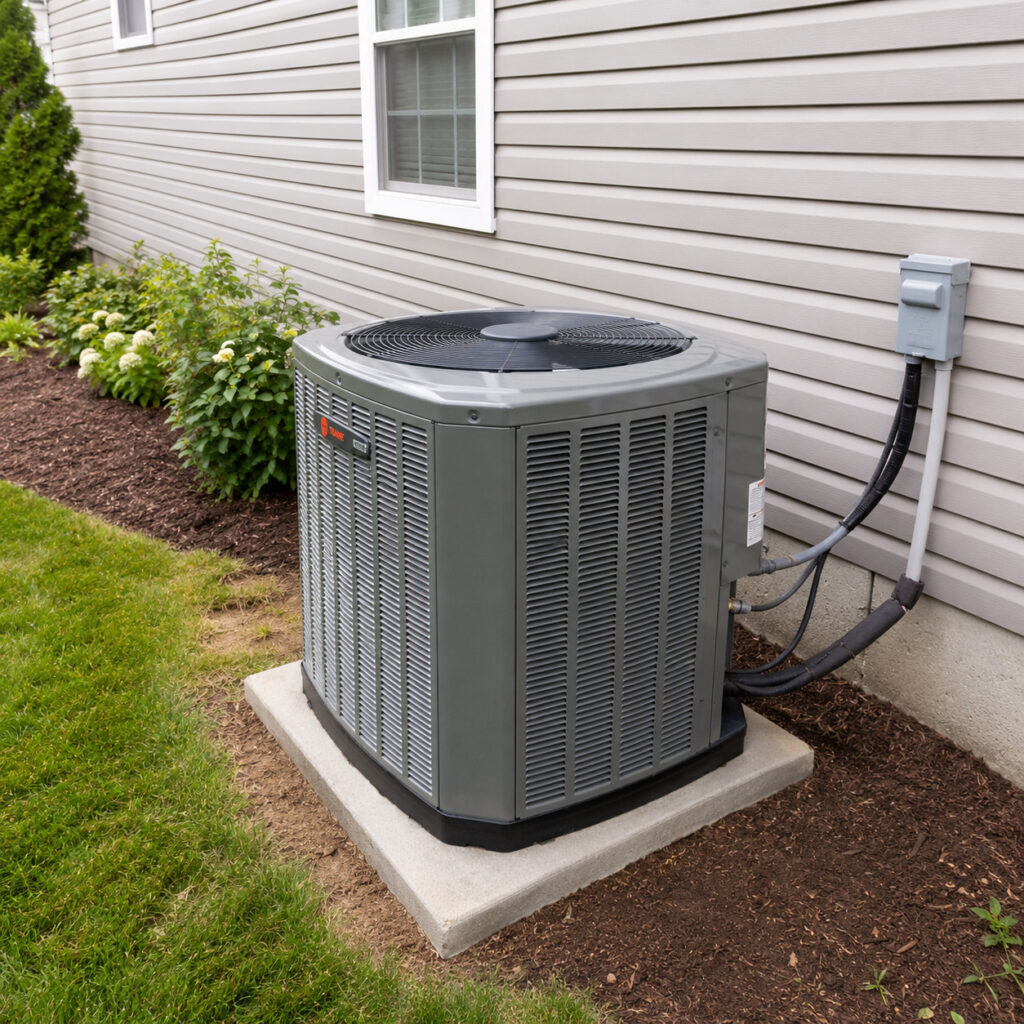
Benefits of an Energy-Efficient HVAC System
An energy-efficient HVAC system can improve comfort, performance, and long-term value for your home.
Lower Energy Waste
Efficient equipment uses less unnecessary energy to maintain your preferred indoor temperature.
Better Indoor Comfort
Proper airflow, system sizing, and thermostat control can help reduce hot and cold spots.
More Consistent Temperatures
An efficient system can maintain steadier indoor temperatures without unnecessary cycling.
Less Strain on HVAC Equipment
When the system does not work harder than needed, important components may experience less wear.
Improved Airflow
Clean filters, healthy ductwork, and routine maintenance help air move more effectively.
Better Long-Term Performance
A properly maintained HVAC system can perform more reliably and reduce avoidable repairs.
Schedule HVAC Service With Weather Masters of Georgia
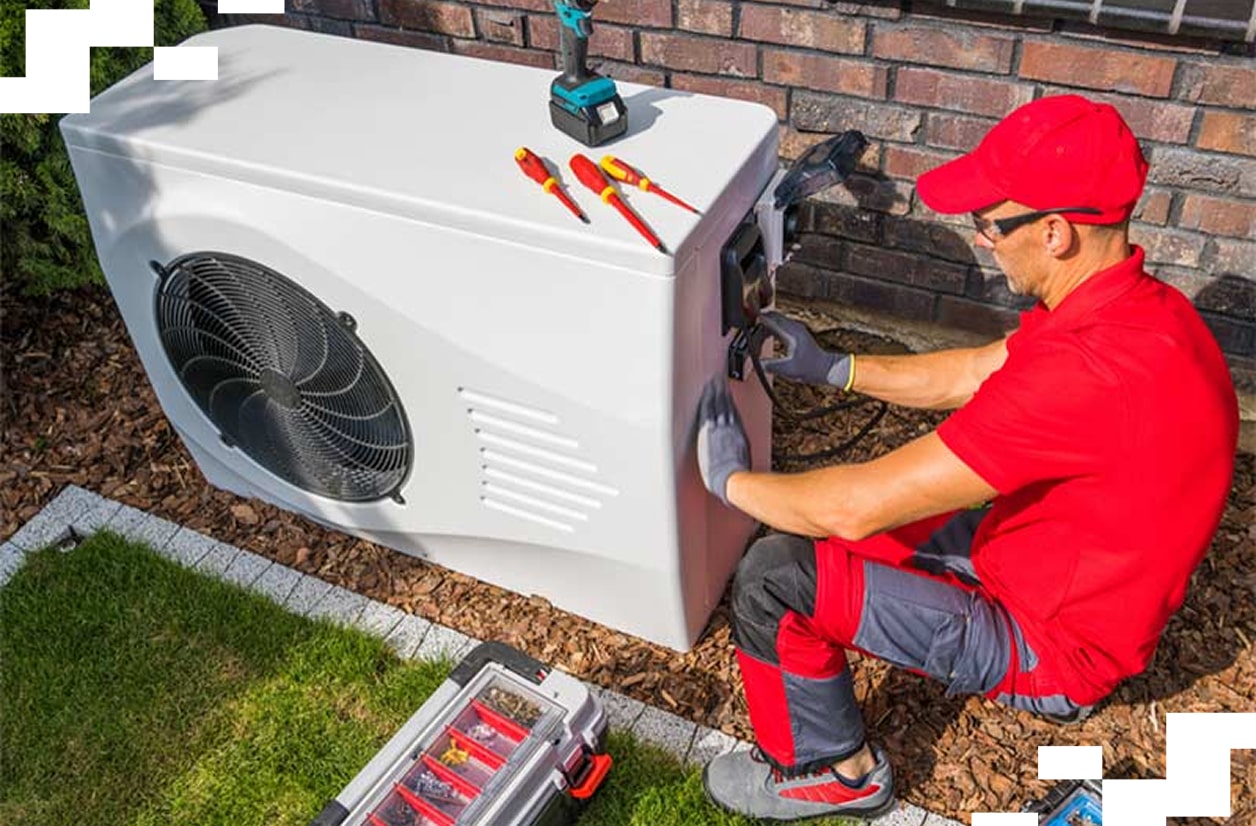
Weather Masters of Georgia helps homeowners and businesses in Kennesaw improve HVAC performance, indoor comfort, and energy efficiency.
If your energy bills are increasing, your rooms feel uneven, or your HVAC system seems to be working harder than usual, our team can inspect your system and recommend the right solution.
Contact Weather Masters of Georgia today to schedule HVAC service in Kennesaw, GA.