

Heat Pump Installation for Better Energy Efficiency
The secret to an efficient heat pump starts with proper installation and setup!
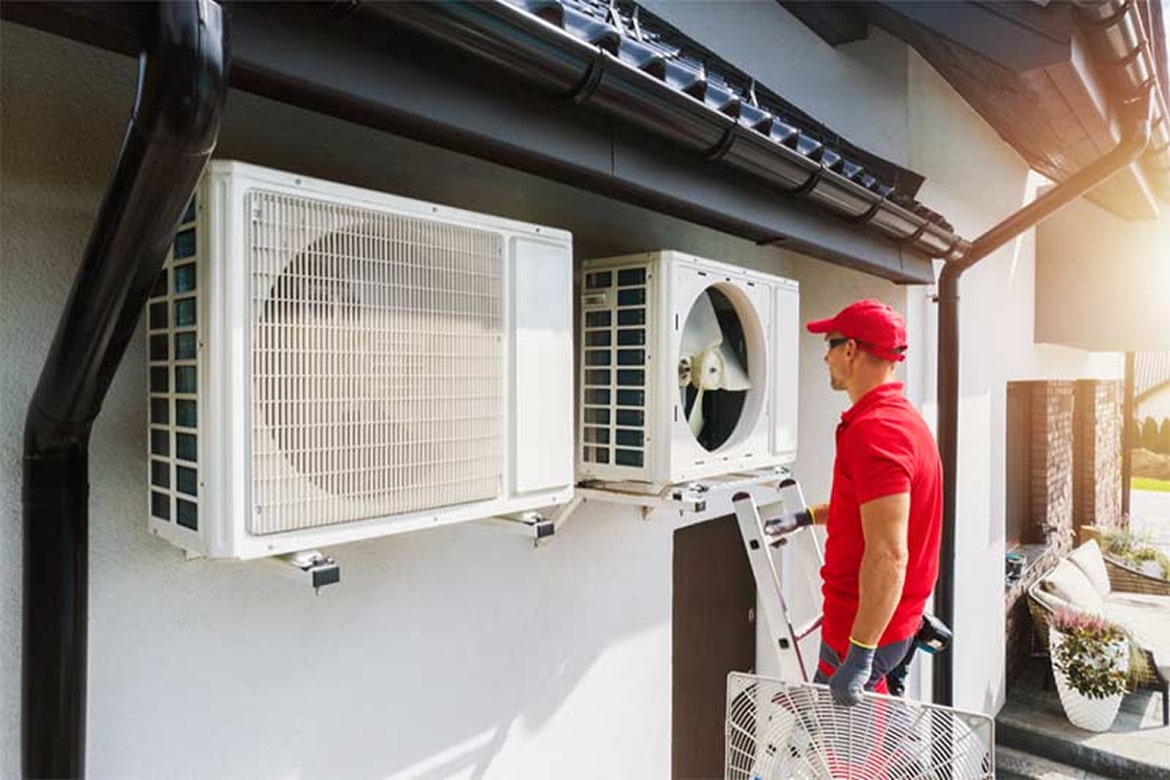
A heat pump can be an efficient way to heat and cool your home, but the final performance depends on more than the system itself.
Proper installation, correct sizing, good insulation, healthy ductwork, and regular maintenance all play a role in how efficiently the system works.
When a heat pump is installed correctly, it can help improve indoor comfort, reduce energy waste, and support better long-term HVAC performance.
Learn how heat pump installation affects energy efficiency and what homeowners should consider before and after upgrading their system.
Schedule An Appointment With Us Today!

Why Heat Pump Efficiency Matters
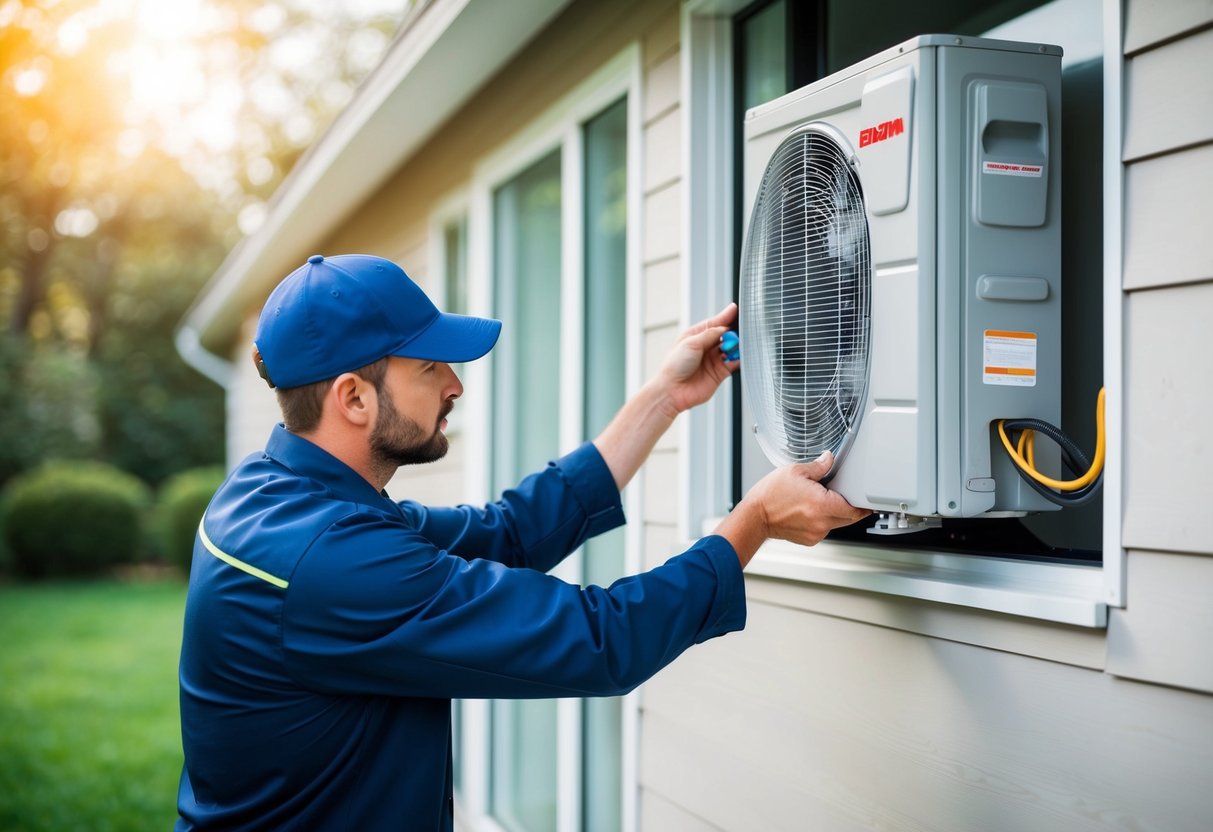
Heat pumps work by moving heat instead of creating it. During colder months, they move heat into the home. During warmer months, they remove heat from the home, similar to an air conditioner.
Because of this process, heat pumps can be more energy-efficient than many traditional heating systems. However, poor installation can reduce those benefits. If the system is not sized correctly, installed properly, or supported by good airflow, it may use more energy than expected.
A well-installed heat pump can help with:
- Better heating and cooling performance
- More consistent indoor comfort
- Lower energy waste
- Reduced system strain
- Better long-term equipment life
How Proper Installation Improves Efficiency
Even a high-efficiency heat pump can perform poorly if it is installed incorrectly. Installation quality affects airflow, energy use, comfort, noise levels, and long-term reliability.
A proper heat pump installation should include:
- Correct system sizing
- Proper indoor and outdoor unit placement
- Safe electrical connections
- Correct refrigerant setup
- Ductwork and airflow checks
- Compatible thermostat setup
- Full system testing after installation
When these steps are handled correctly, the heat pump has a better chance of running efficiently and keeping the home comfortable.
The Role of Insulation in Heat Pump Performance
Insulation plays an important role in heat pump efficiency. If a home loses too much heated or cooled air, the system must run longer to maintain the desired temperature.
Poor insulation can lead to:
- Higher energy use
- Uneven room temperatures
- Longer system run times
- More strain on the heat pump
- Reduced comfort
- Higher risk of repair issues
The right heat pump should be matched to your home’s actual heating and cooling needs.
Heat Pump Efficiency Factors
Several factors affect how efficiently a heat pump performs after installation.
Proper System Size
The right size heat pump helps prevent short cycling, weak performance, and energy waste.
Quality Installation
Correct installation helps the system heat and cool the home more efficiently.
Good Insulation
A well-insulated home helps keep conditioned air inside and reduces system workload.
Healthy Ductwork
Clean, sealed, and properly sized ducts help move air more effectively throughout the home.
Thermostat Control
A compatible thermostat can improve comfort and reduce unnecessary system use.
Regular Maintenance
Routine service helps protect performance, efficiency, and system lifespan.
Maintenance Tips for Newly Installed Heat Pumps
After installation, regular maintenance helps keep the heat pump working efficiently. Without maintenance, dirt, airflow issues, and worn parts can reduce performance over time.
Helpful maintenance steps include:
- Replace or clean air filters regularly
- Keep the outdoor unit clear of leaves, dirt, and debris
- Keep vents open and unblocked
- Check thermostat settings seasonally
- Watch for strange noises or weak airflow
- Schedule professional maintenance
- Call for service when comfort or efficiency changes
A new heat pump is an investment, and proper maintenance helps protect that investment.
How Proper Installation Can Extend Heat Pump Life
A heat pump that is installed correctly usually has a better chance of lasting longer. Poor installation can create extra stress on the system, leading to early wear and performance issues.
Proper installation can help by:
- Reducing unnecessary system strain
- Supporting better airflow
- Preventing short cycling
- Helping the system maintain steady comfort
- Reducing avoidable repair issues
- Protecting energy efficiency over time
The goal is to help the system run smoothly from the beginning so it can perform better over the long term.
Benefits of Upgrading to a High-Efficiency Heat Pump
If your current HVAC system is aging, inefficient, or struggling to keep your home comfortable, upgrading to a high-efficiency heat pump may be a smart option. The right system can provide both heating and cooling while helping reduce unnecessary energy waste.
A high-efficiency heat pump can help with:
Better Heating & Cooling Performance
A modern heat pump can provide reliable comfort throughout the year by heating your home during cooler months and cooling it during warmer weather.
More Consistent Indoor Temperatures
The right heat pump can help reduce hot and cold spots and maintain a more balanced temperature throughout your home.
Reduced Energy Waste
A high-efficiency system can use energy more effectively, especially when it is properly sized and installed.
Better Humidity Control
An efficient heat pump can help support better indoor comfort during warmer months by removing excess humidity as it cools your home.
Less Reliance on Separate Systems
A heat pump provides both heating and cooling, which can reduce the need for separate equipment for different seasons.
Stronger Long-Term Performance
Proper sizing, quality installation, healthy ductwork, and routine maintenance can help your new heat pump perform more reliably over time.
Common Heat Pump Efficiency Mistakes to Avoid
Many efficiency problems happen because of poor planning, poor installation, or lack of maintenance.
1. Choosing the Wrong System Size
A system that is too small may run constantly, while an oversized system may short cycle and waste energy.
2. Ignoring Insulation Problems
Poor insulation can make your heat pump work harder and reduce comfort throughout your home.
3. Overlooking Ductwork Issues
Leaky or poorly designed ducts can reduce airflow and make even a good heat pump perform poorly.
4. Skipping Regular Maintenance
Without routine service, dirt, airflow problems, and worn parts can reduce efficiency over time.
5. Using the Wrong Thermostat Settings
Incorrect settings can cause unnecessary system use and reduce energy savings.
Heat Pump vs. Furnace: Which Option Is Right for Your Home?
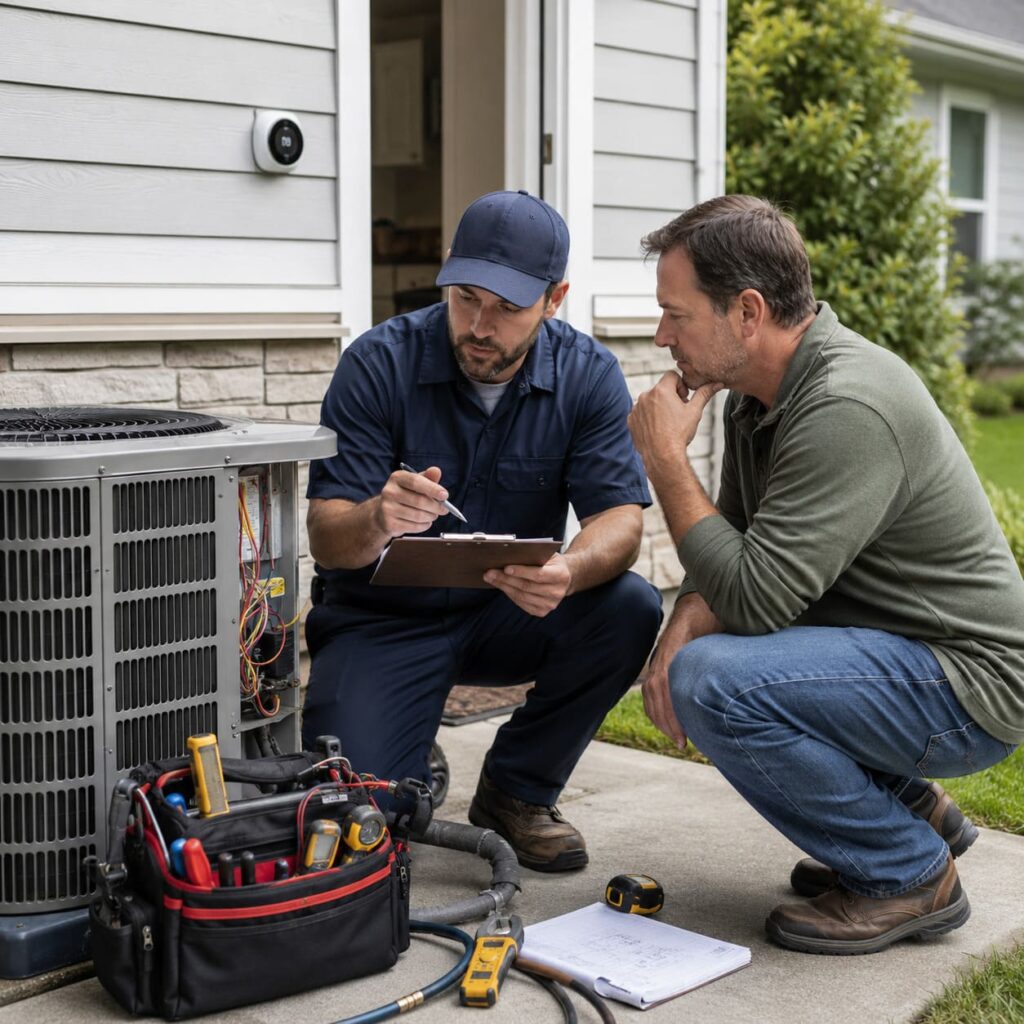
Heat pumps and furnaces can both keep your home warm, but they work differently. A heat pump transfers heat into or out of your home, while a furnace creates heat and distributes it through the duct system.
The better option depends on your home, comfort needs, existing HVAC setup, and energy goals.
Heat Pump
A heat pump provides both heating and cooling in one system. It can be a practical option for homeowners who want year-round comfort and better energy efficiency.
Furnace
A furnace is designed specifically for heating. It may be a suitable option for homeowners who want dependable warmth during colder weather or already have a separate air-conditioning system.
What Should You Consider?
Before choosing between a heat pump and a furnace, consider:
- Your existing HVAC equipment
- Home size and layout
- Ductwork condition
- Insulation levels
- Heating and cooling needs
- Energy-efficiency goals
- Installation budget
- Long-term maintenance needs
Let Our Expert Team Help You Choose the Right Heat Pump
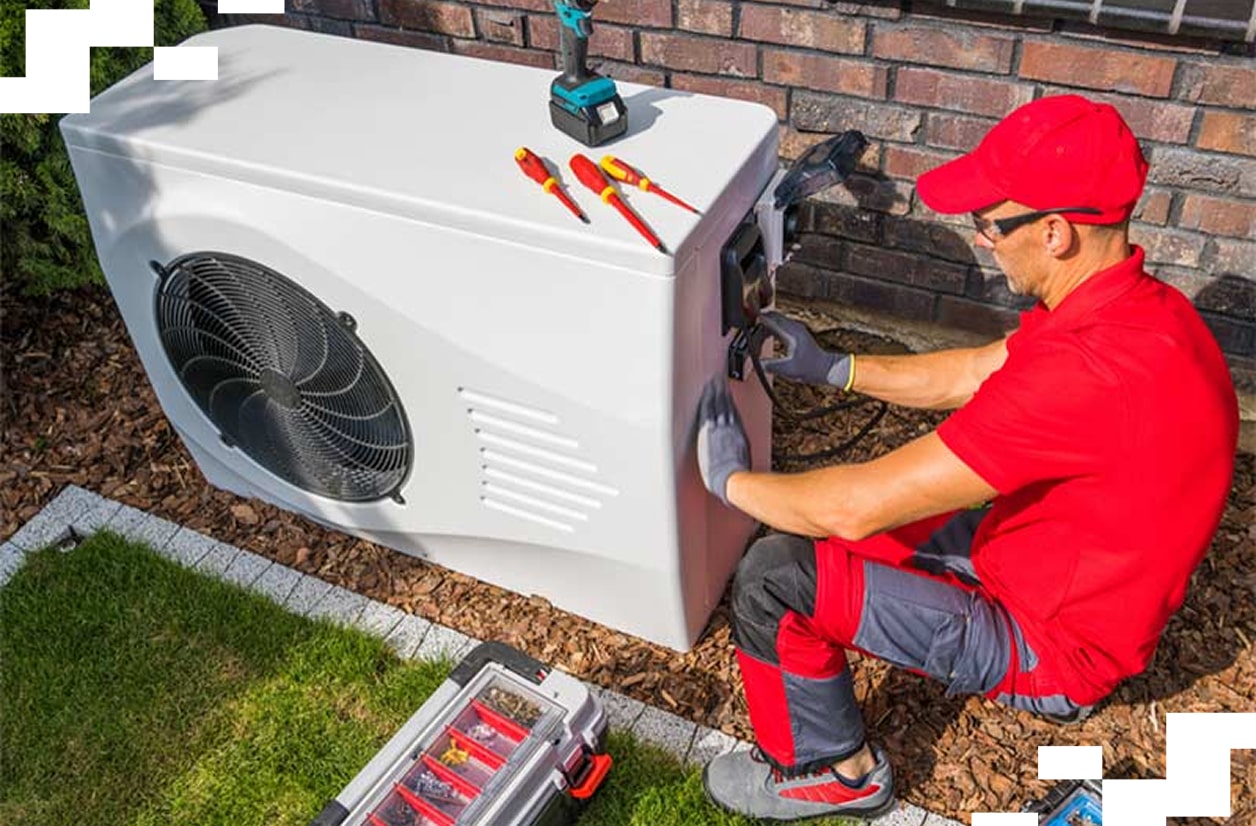
The right heat pump starts with the right recommendation. Weather Masters of Georgia has the experience, tools, and knowledge needed to help you choose a system that fits your home and comfort needs.
Our team will explain your options clearly, answer your questions, and guide you through the selection process before installation begins.
If you are planning a heat pump installation in Kennesaw, GA, call Weather Masters of Georgia today.